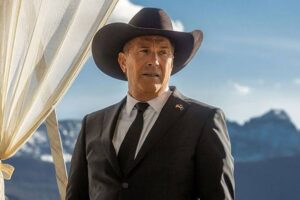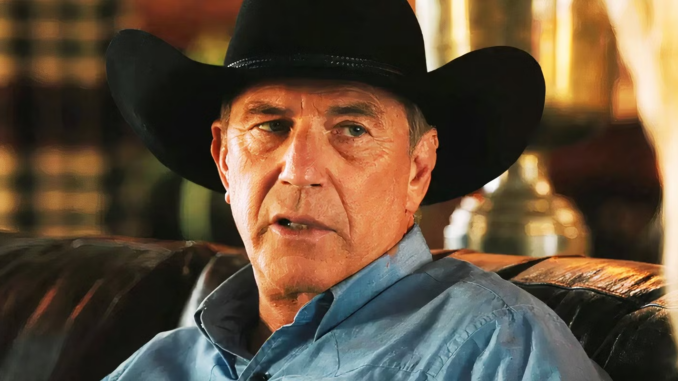
John Dutton III is the kind of television character who can walk into a room without saying much and still completely control the atmosphere. As the central figure of Yellowstone, he represents power, tradition, family loyalty, and the increasingly difficult battle to preserve a way of life.
Played by Kevin Costner, John Dutton isn’t simply a wealthy ranch owner. He’s a father, grandfather, political figure, former livestock commissioner, and fiercely determined protector of the Dutton Ranch. His decisions often create as many problems as they solve, which is exactly what makes him so fascinating.
So, how much do you really know about him? Let’s take a closer look at 25 facts about John Dutton III that reveal the man behind the cowboy hat.
1. John Dutton III Is the Patriarch of the Dutton Family
John Dutton III stands at the center of the modern Dutton family. He carries the responsibility of protecting the Yellowstone Dutton Ranch while trying to keep his children and grandchildren connected to the family legacy.
Being the patriarch isn’t exactly an easy job. John constantly has to balance family disagreements, business threats, political pressure, and enemies who want control of his land.
The Dutton Name Carries Weight
The Dutton name has survived for generations, and John sees himself as a temporary guardian of something much larger than himself.
2. Kevin Costner Played John Dutton
One of the biggest reasons John Dutton became such an iconic television character is Kevin Costner’s performance.
Costner brings a quiet intensity to John. He doesn’t need dramatic speeches every time someone threatens him. A pause, a stare, or a few carefully chosen words can say plenty.
A Performance Built on Restraint
Rather than playing John as constantly explosive, Costner often makes him seem controlled. That restraint makes his rare emotional outbursts feel much more powerful.
3. John Owns the Yellowstone Dutton Ranch
The Yellowstone Dutton Ranch is arguably the most important physical location in the series.
For John, the ranch isn’t merely a business asset. It’s part of his identity. Selling it would mean giving up something he believes his ancestors sacrificed to protect.
Why the Ranch Matters So Much
John’s obsession with preserving the property explains many of his most controversial choices. He doesn’t measure success simply by money. To him, keeping the ranch intact matters more than becoming richer.
4. John Is Willing to Fight for His Land
If there’s one thing Yellowstone makes clear, it’s that John Dutton doesn’t surrender easily.
Developers, politicians, corporations, and other powerful figures repeatedly threaten his property. John responds by fighting back, sometimes through legitimate political channels and sometimes through far more aggressive tactics.
5. Family Comes Before Almost Everything
John’s relationship with his children is complicated, but his devotion to his family remains one of his defining characteristics.
He can be incredibly demanding and sometimes downright harsh. Yet underneath that toughness is a powerful desire to protect the Dutton legacy for future generations.
Protection Can Become Control
That’s where John becomes interesting. His desire to protect his children sometimes turns into an attempt to control their choices.
He wants them safe—but he also wants them to understand the responsibility attached to their last name.
6. John Has a Complicated Relationship With Jamie
John and Jamie Dutton have one of the most complicated relationships in the show.
Jamie desperately wants John’s approval, while John often struggles to give him the emotional validation he seeks.
Their relationship becomes increasingly complicated as secrets, political ambitions, and family loyalties collide.
7. Beth Is One of John’s Strongest Allies
John’s relationship with Beth is completely different.
Beth is fiercely loyal to her father, and she often becomes one of his most aggressive defenders. She understands John’s worldview better than many people do.
Why Beth and John Work So Well Together
Both are willing to play hard when they believe the family’s survival is at stake. They may disagree, but their loyalty to each other runs deep.
8. John Has a Deep Bond With Kayce
Kayce Dutton represents another complicated part of John’s family life.
John wants Kayce close to the ranch, but Kayce has spent much of his life struggling between his family responsibilities and his own identity.
Their relationship often feels less confrontational than John’s relationships with Beth or Jamie, but it carries plenty of emotional weight.
9. John Becomes Montana’s Governor
John eventually enters Montana politics and becomes governor.
This move makes sense within his character arc. Instead of fighting political opponents from outside the system, John attempts to use the system itself to protect the ranch.
Politics Becomes Another Battlefield
Of course, becoming governor doesn’t make John’s problems disappear. It gives him a completely different arena in which to fight.
10. John Previously Served as Livestock Commissioner
Before becoming governor, John serves as Montana’s Livestock Commissioner.
The position fits his background and worldview. The job places him directly in conflicts involving ranchers, livestock, land disputes, and law enforcement.
It also gives viewers a closer look at how John operates when he’s dealing with people who threaten the ranching community.
11. John Is Deeply Connected to Ranching Culture
John’s identity is inseparable from ranching.
He understands horses, cattle, land, weather, livestock, and the traditions surrounding ranch life. More importantly, he understands the emotional meaning attached to the lifestyle.
For John, ranching isn’t simply employment. It’s heritage.
12. John Doesn’t Care Much About Luxury
Despite controlling an enormous ranch and possessing considerable wealth, John doesn’t behave like a stereotypical billionaire.
He’s comfortable with hard work, simple meals, worn boots, and long days outside.
His Lifestyle Reflects His Values
John’s material possessions matter less to him than his land and family. That’s one reason he often feels more like an old-fashioned rancher than a modern businessman.
13. John Has a Strong Moral Code—Even When It Gets Complicated
John Dutton isn’t traditionally “good” or “bad.”
He operates according to his own moral code.
He believes certain things are worth protecting at almost any cost. The problem is that his definition of justice doesn’t always align with the law.
That contradiction makes him one of television’s more complicated protagonists.
14. John Can Be Extremely Stubborn
Trying to convince John Dutton to abandon a position he believes in is almost like trying to move a mountain with a shovel.
His stubbornness helps him survive countless conflicts, but it also creates problems.
Sometimes John refuses to compromise even when compromise might save his family from unnecessary pain.
15. John Is a Skilled Horseman
The cowboy image isn’t just for show.
John is an experienced horseman who understands the practical skills required to work on a ranch.
His connection with horses also contributes to the show’s broader portrayal of Western culture.
The Cowboy Image Is Part of His Identity
The hat, boots, horses, cattle, and ranch aren’t costumes for John. They’re pieces of the world he believes is worth preserving.
16. John Has a Powerful Connection to His Grandson Tate
Tate Dutton represents the next generation of the family.
John’s relationship with Tate reveals a softer side of him. While John can be demanding with his adult children, his interactions with his grandson often show more warmth.
Tate also symbolizes the future of the Dutton family—which makes his safety especially important to John.
17. John Is Haunted by Loss
John’s decisions are shaped by the losses he has experienced throughout his life.
Grief doesn’t simply disappear for him. Instead, it becomes part of his personality and influences how fiercely he protects the people who remain.
This helps explain why John sometimes reacts so intensely when his family is threatened.
18. John Has a Complicated Relationship With the Law
John understands the law, works alongside law enforcement, and holds political office. Yet he doesn’t always respect legal boundaries when he believes something more important is at stake.
That contradiction is central to Yellowstone.
John wants order—but he also believes certain situations require people to operate outside conventional rules.
19. John Is a Natural Leader
Whether he’s running the ranch, managing cowboys, or dealing with political opponents, John naturally takes command.
People often look to him for direction even when they don’t completely agree with him.
Leadership Comes With a Cost
John’s leadership style is demanding. He expects loyalty and commitment, and he isn’t particularly interested in excuses.
That makes him respected by some people and feared by others.
20. John Has a Complicated Relationship With Rip Wheeler
Rip Wheeler is one of the people John trusts most.
Their relationship goes far beyond employer and employee. John helped give Rip a place in the Yellowstone world, and Rip became one of his most loyal defenders.
Rip and John Share an Unspoken Understanding
They don’t always need long conversations. Often, a simple look is enough.
Their relationship represents one of the strongest bonds built around the ranch.
21. John Understands That the Ranch Is Under Constant Threat
John knows the Yellowstone Ranch sits on valuable land.
As Montana changes, developers and investors see enormous financial opportunities in the property.
John sees something completely different: a legacy that cannot be replaced.
This difference in perspective drives much of the show’s central conflict.
22. John Doesn’t Want to Sell the Ranch
Money could solve many problems.
For John, however, selling isn’t a solution.
The ranch represents generations of sacrifice, and he believes that once the land leaves the family, the Dutton legacy effectively ends.
That belief becomes one of the most important forces behind his decisions.
23. John Is Both a Father and a Political Player
One of the most interesting aspects of his character is how these identities constantly collide.
As a father, John wants to protect his children.
As a politician, he has to think about public consequences.
As a rancher, he wants to protect the land.
Those three priorities don’t always point in the same direction.
24. John Dutton’s Story Is Closely Connected to the Dutton Legacy
John’s story doesn’t exist in isolation.
The franchise expands the Dutton family history through shows such as 1883 and 1923, giving viewers more context for the family’s long relationship with the land.
John represents one chapter in a much larger Western family saga.
The Legacy Continues Beyond One Person
That’s what makes the Yellowstone story bigger than John himself. The central question isn’t only whether John can survive.
It’s whether the Dutton legacy can survive him.
25. John Dutton III Is One of Television’s Most Complicated Western Characters
Ultimately, John Dutton works because he isn’t easy to categorize.
He’s loving but controlling. Principled but willing to break rules. Traditional but politically ambitious. Tough but capable of tremendous tenderness.
That’s the secret behind his appeal.
You may disagree with John. You may even get frustrated with him. But it’s difficult to ignore him.