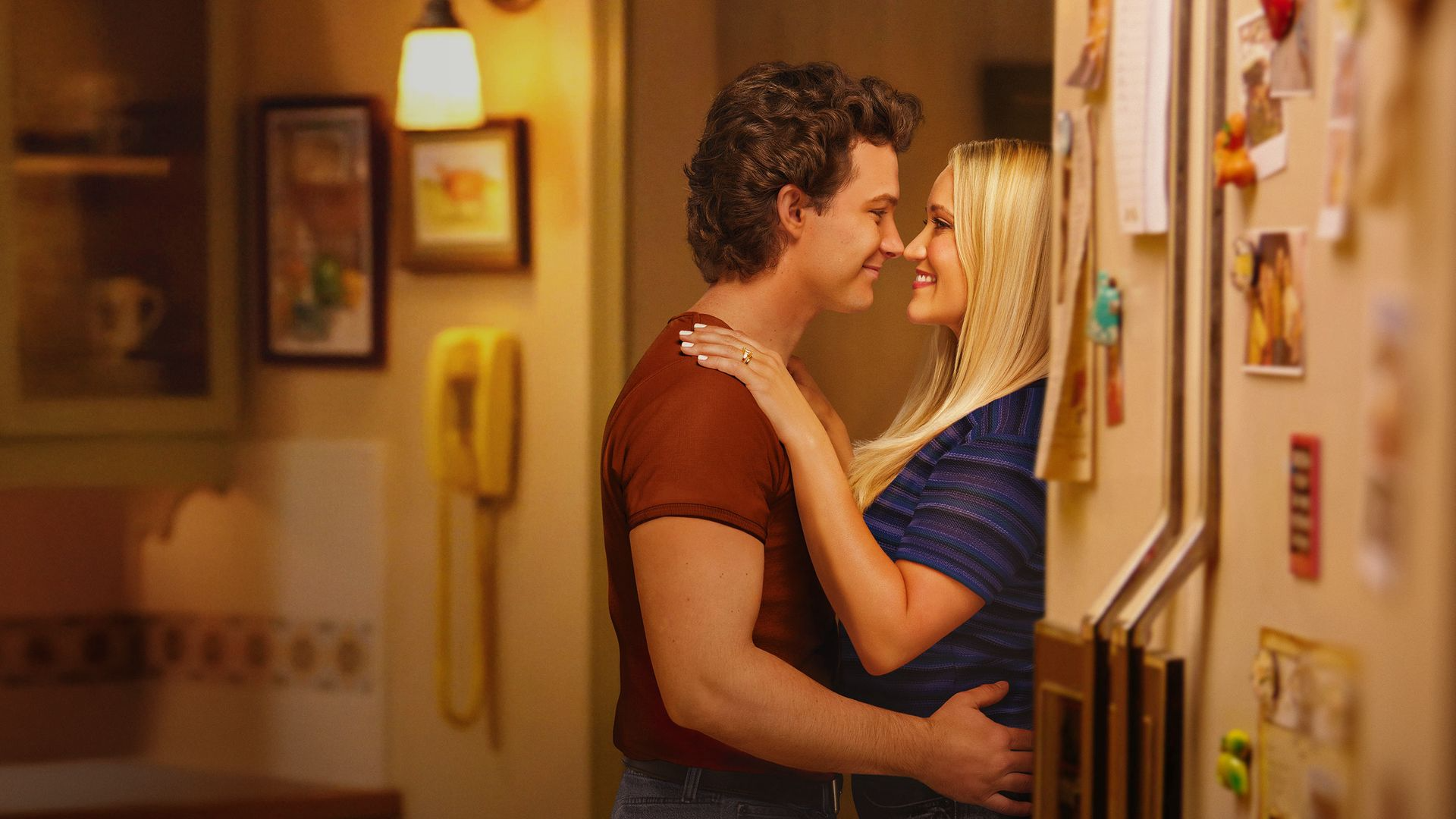
The Tragedy of a Title
As we sit in April 2026, the global fandom of the The Big Bang Theory universe is grappling with a paradox. Georgie & Mandy’s First Marriage has officially become a ratings juggernaut, yet every laugh recorded in front of the live studio audience is tinged with a predetermined sadness. By explicitly labeling this union as the “First,” showrunners Chuck Lorre and Steven Molaro have done something unprecedented in the sitcom genre: they have given the audience a front-row seat to a slow-motion car crash.
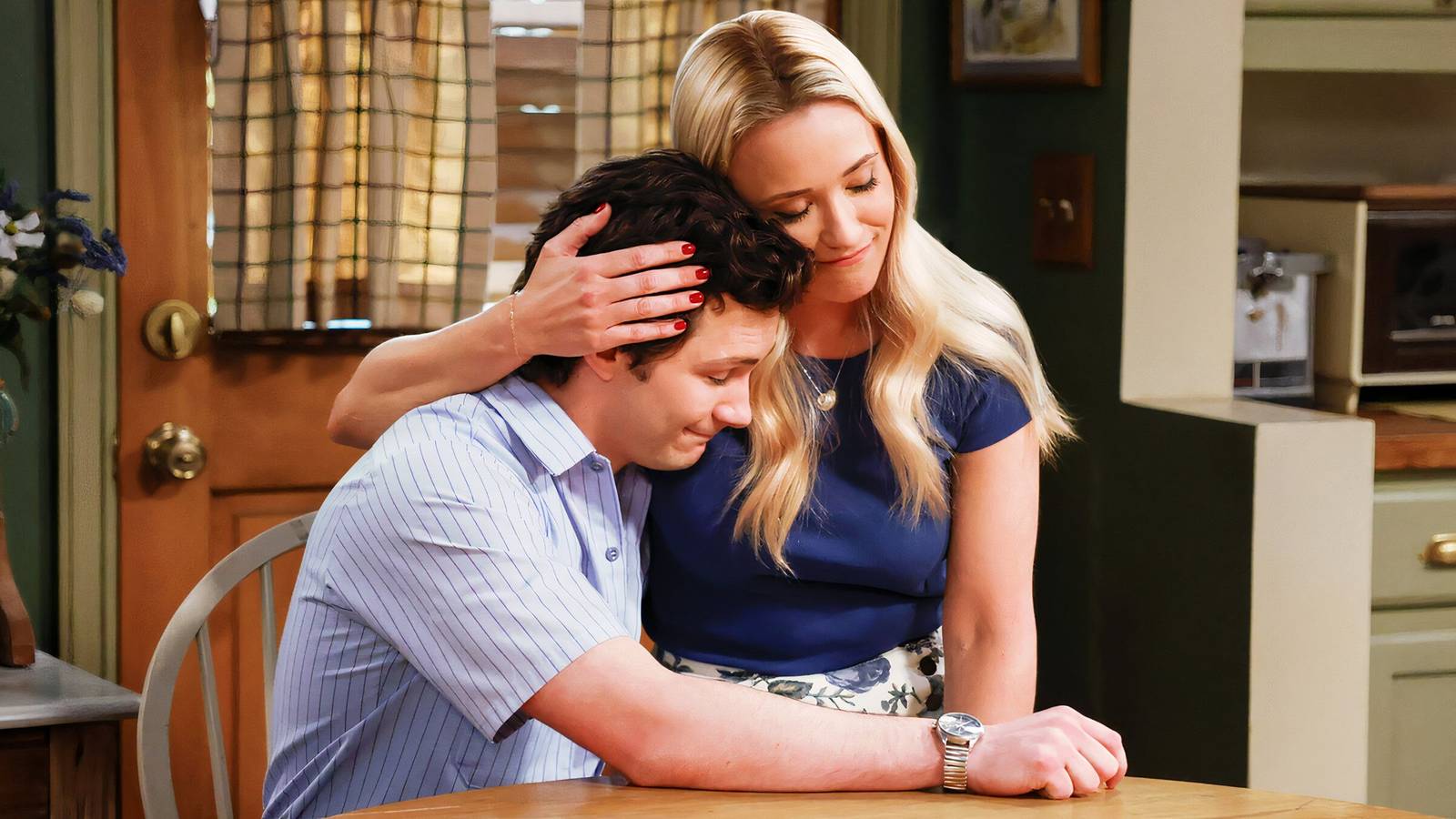
Most sitcoms thrive on the “Will They or Won’t They?” dynamic. We spent years wondering if Ross and Rachel would end up together. But here, the question isn’t “if,” but “how.” We know from the lore established in The Big Bang Theory that Georgie Cooper eventually becomes a successful but twice-divorced tire magnate. By choosing this title, the production team has successfully pivoted from “Comfort TV” to “Event TV.” It creates a unique form of “pre-grief” for the audience, where every romantic gesture and every successful milestone in Georgie and Mandy’s young life feels like a precious, fleeting memory that we are destined to lose.
The Creative Gamble of 2026
This article analyzes why this “spoiler-in-the-title” strategy has actually increased viewership instead of hurting it. In the 2026 media landscape, where audiences are increasingly cynical, the honesty of the show’s premise is refreshing. We delve into the psychological concept of “Dramatic Irony” and how it forces viewers to pay closer attention to the cracks in the foundation. Is it the pressure of the McAllister family business? Is it the haunting shadow of George Sr.’s death? Or is it simply that nineteen-year-olds shouldn’t be married? We examine how the show uses its title to explore the reality that sometimes, love isn’t enough, making it the most relatable—and painful—comedy on television right now.